
Disposable vs Reusable Nappies: Which One Is Right for Your Family?
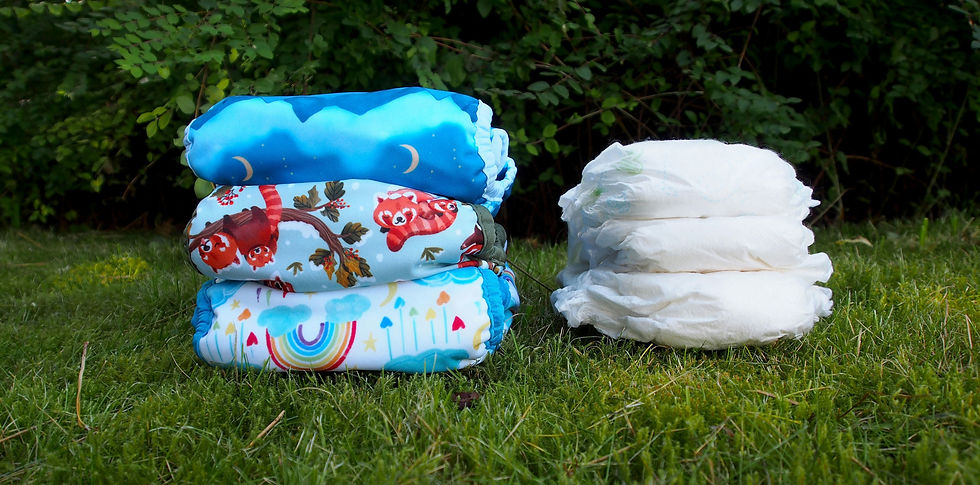
There are very few parenting topics that spark as much debate as nappies. Disposable or reusable? Convenient or sustainable? Expensive or cost-effective?
The truth is — there’s no single “right” answer. Every family has different routines, budgets, values, and energy levels. What matters most is choosing what works best for your child and your household.
Whether you’re preparing for your first baby or reconsidering your current setup, here’s a realistic look at the differences between disposable and reusable nappies — without the guilt trip.
The Convenience Factor
Disposable Nappies
Disposable nappies are designed for one use and then thrown away. They’re quick, easy, and incredibly convenient — especially during those exhausting newborn months.
Many parents love disposables because:
They’re easy to change on the go
No washing required
They absorb large amounts of liquid
They’re widely available
Great for travel, daycare, and overnight use
For busy families, shift workers, or households already juggling a lot, disposables can simply make life easier.
Reusable Nappies
Reusable nappies (often called cloth nappies) are washable and designed to be used repeatedly.
Modern cloth nappies are very different from the old-fashioned terry towels many people imagine. Today’s versions often include:
Adjustable sizing
Snap buttons or Velcro
Absorbent inserts
Stylish prints and fabrics
Reusable nappies do require washing and drying, but many families find the routine becomes second nature after a few weeks.
The Cost Comparison
One of the biggest differences between the two options is long-term cost.
Disposable Costs
Disposable nappies may seem cheaper at first because you buy them gradually. However, over the years, the cost adds up quickly.
Depending on the brand and how often your child is changed, families can spend thousands of dollars on disposable nappies before toilet training.
Reusable Costs
Reusable nappies usually involve a larger upfront investment. However, once purchased, they can often be reused:
For multiple years
Across multiple children
Resold second-hand
Many families find reusable nappies significantly cheaper in the long run.
Environmental Impact
This is often the biggest reason families explore reusable nappies.
Disposable Nappies and Waste
Disposable nappies create a large amount of landfill waste. A single child may use thousands of nappies before toilet training.
Because disposable nappies contain plastics and absorbent chemicals, they can take many years to break down.
Reusable Nappies and Sustainability
Reusable nappies reduce landfill waste dramatically because they are washed and reused repeatedly.
However, they do still have environmental impacts through:
Water usage
Electricity
Detergents
Manufacturing processes
Interestingly, studies suggest reusable nappies tend to have the lowest environmental impact when:
Washed in full loads
Line dried where possible
Reused for multiple children
Comfort and Skin Sensitivity
Every baby’s skin is different.
Disposable Nappies
Modern disposables are highly absorbent and can help keep babies feeling dry for longer periods.
Some babies, however, may react to:
Fragrances
Chemicals
Dyes
Synthetic materials
Reusable Nappies
Many reusable nappies use natural fibres and breathable materials, which some parents feel are gentler on sensitive skin.
Because cloth nappies don’t always “wick away” moisture in the same way disposables do, children may also become more aware of being wet — which some families believe can support earlier toilet awareness.
The Reality Check: It Doesn’t Have to Be All or Nothing
One of the biggest misconceptions is that families must choose one side forever.
In reality, many families use a combination:
Reusables at home
Disposables overnight
Cloth during the day
Disposables while travelling
Parenting doesn’t need to be perfect to be meaningful. Sometimes the best solution is the one that keeps everyone functioning.
So… Which Is Better?
Honestly? Both have benefits. Both have drawbacks.
Disposable nappies offer convenience and simplicity.
Reusable nappies offer sustainability and long-term savings.
The “best” option depends on:
Your lifestyle
Your budget
Your time
Your values
Your child’s needs
And just like most things in parenting — flexibility is often the key.
Final Thoughts
Whether you choose reusable nappies, disposable nappies, or a bit of both, you’re still changing nappies at 2am while running on cold coffee and four hours of sleep. That alone deserves recognition.
Parenting is already full of pressure. Nappies don’t need to become another competition.
At the end of the day, a loved, cared-for child matters far more than what ends up in the nappy bin or washing machine.


Comments