
The Magic of Story Time
More than just reading words on a page.
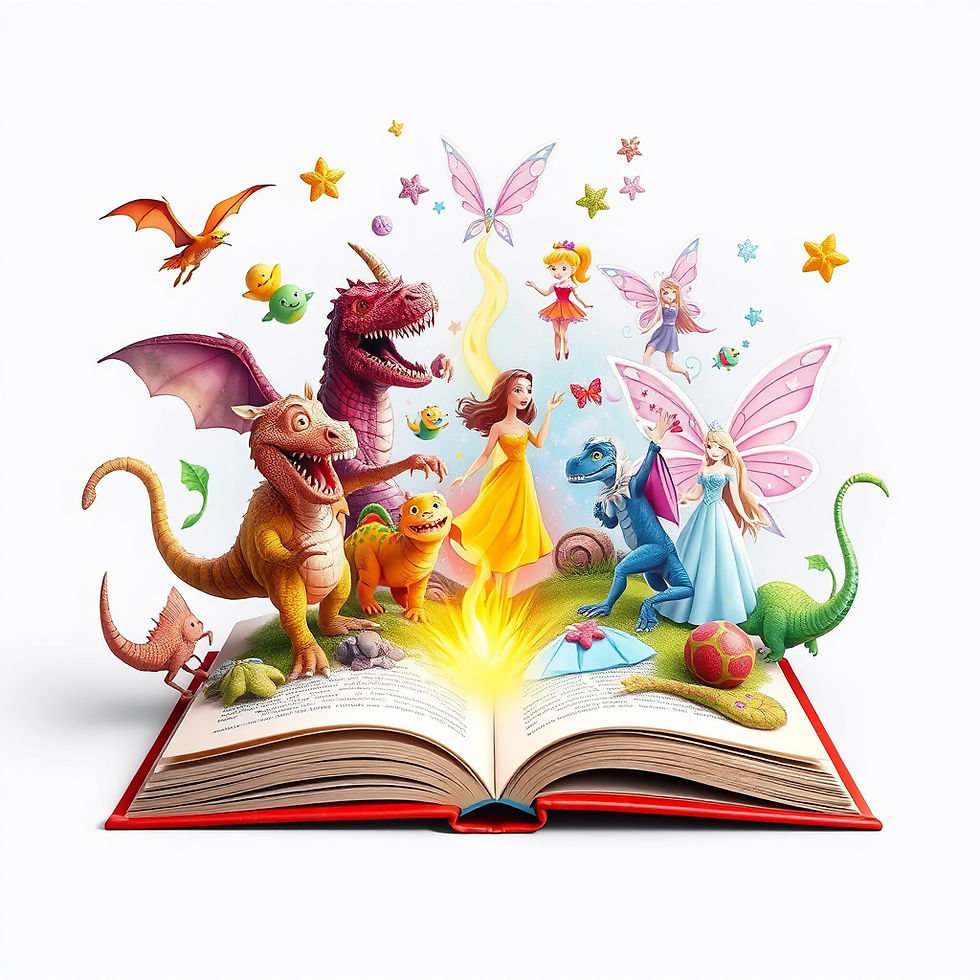
There is something truly magical about story time. The moment a book opens, children are transported into worlds filled with adventure, imagination, laughter, curiosity, and wonder. At our family-owned childcare centre here in Butler, story time is so much more than simply reading a book aloud — it is a chance to connect, communicate, imagine, and learn together.
Long before children learn to read independently, they are already developing the foundations for language, literacy, confidence, and creativity through shared storytelling experiences. A simple story can spark new vocabulary, encourage emotional understanding, inspire imaginative play, and create meaningful bonds between children and educators.
Why Story Time Matters
Reading stories regularly with children plays a huge role in their development. Through books, children begin to:
Expand their vocabulary and language skills
Learn how conversations flow
Understand emotions and social situations
Develop listening and concentration skills
Build creativity and imagination
Strengthen memory and comprehension
Feel connected and secure through shared experiences
But perhaps one of the most beautiful parts of story time is the sense of togetherness it creates. Sitting together with a favourite book encourages closeness, laughter, discussion, and connection. Children begin to associate books with warmth, comfort, and joy — something we hope stays with them for life.
Reading a Story Is a Performance
Anyone can read words from a page. The real magic happens when a story is brought to life.
Children engage most when storytellers become expressive, animated, and playful. Changing your voice for different characters, adding dramatic pauses, whispering during suspenseful moments, or becoming loud and excited during action scenes can completely transform a story into an unforgettable experience.
A grumpy bear should sound grumpy.A tiny mouse should squeak softly.A giant stomping through the forest should practically shake the room.
Children love when adults fully commit to the story. It gives them permission to be imaginative too.
The Power of Voice and Expression
One of the simplest but most effective storytelling tools is your voice.
Reading with changes in tone, pace, and volume helps children:
Stay engaged and focused
Understand emotion and meaning
Predict what might happen next
Learn the rhythm and flow of language
Reading slowly during suspense builds anticipation. Speeding up during exciting moments creates energy. Lowering your voice encourages children to lean in and listen closely. Sometimes the quietest moments in a story are the ones children remember most.
Facial expressions matter too. Wide eyes, dramatic gasps, smiles, and silly faces all help children connect with the emotions in a story.
Using Props and Imagination
Props can make storytelling even more interactive and memorable. Simple additions like:
Puppets
Soft toys
Hats or costumes
Scarves
Animal figurines
Homemade story boxes
can help children visualise characters and become active participants in the story.
Children love helping to hold props, act out scenes, or make sound effects. Suddenly, story time becomes a shared adventure rather than a passive activity.
And the best part? Storytelling does not need to be perfect or expensive. Sometimes a funny voice and a cardboard crown are all it takes to create magic.
The Importance of Pausing
One of the most powerful storytelling techniques is knowing when not to speak.
Pausing during familiar lines or predictable moments encourages children to join in and “read” along. Even children who cannot yet recognise written words begin to memorise phrases, anticipate language patterns, and build confidence participating in group storytelling.
For example:
“The three little pigs built their houses out of…”…and suddenly the children excitedly shout:“STRAW!”
These pauses encourage:
Confidence
Communication skills
Memory recall
Participation
A love of storytelling
Children feel proud when they can contribute to the story themselves.
Creating Lifelong Readers
The goal of story time is not simply teaching children how to read. It is about helping children love reading.
When books are joyful, interactive, funny, emotional, and engaging, children begin to see reading as something exciting rather than something they have to do.
Some of the strongest childhood memories are formed around stories — sitting on a parent’s lap, laughing during a silly character voice, or hearing the same favourite book for the hundredth time.
Those moments matter.
At our centre, story time is woven into our days because we know books help children build not only literacy skills, but also imagination, empathy, confidence, and connection.
And sometimes, all it takes to create a little magic is a great story and someone willing to read it with enthusiasm.
My Favourite Stories
Some of my favourite stories are 'The Very Cranky Bear' series, and anything by Alex Schefflar. The way these stories rhymes keep the children engaged and make it easier for them to remember the story. I often pause, with intent for the children to follow on with the story. This creates an opportunity for children to develop language skills, inclusivity, and begin to understand the connections between verbal words and their written counterpart. There is no end to how these stories can be read, and with a bit of personality and tone, the characters are brought to life.


Comments